ABOUT ME
Meet Murray Wheeler
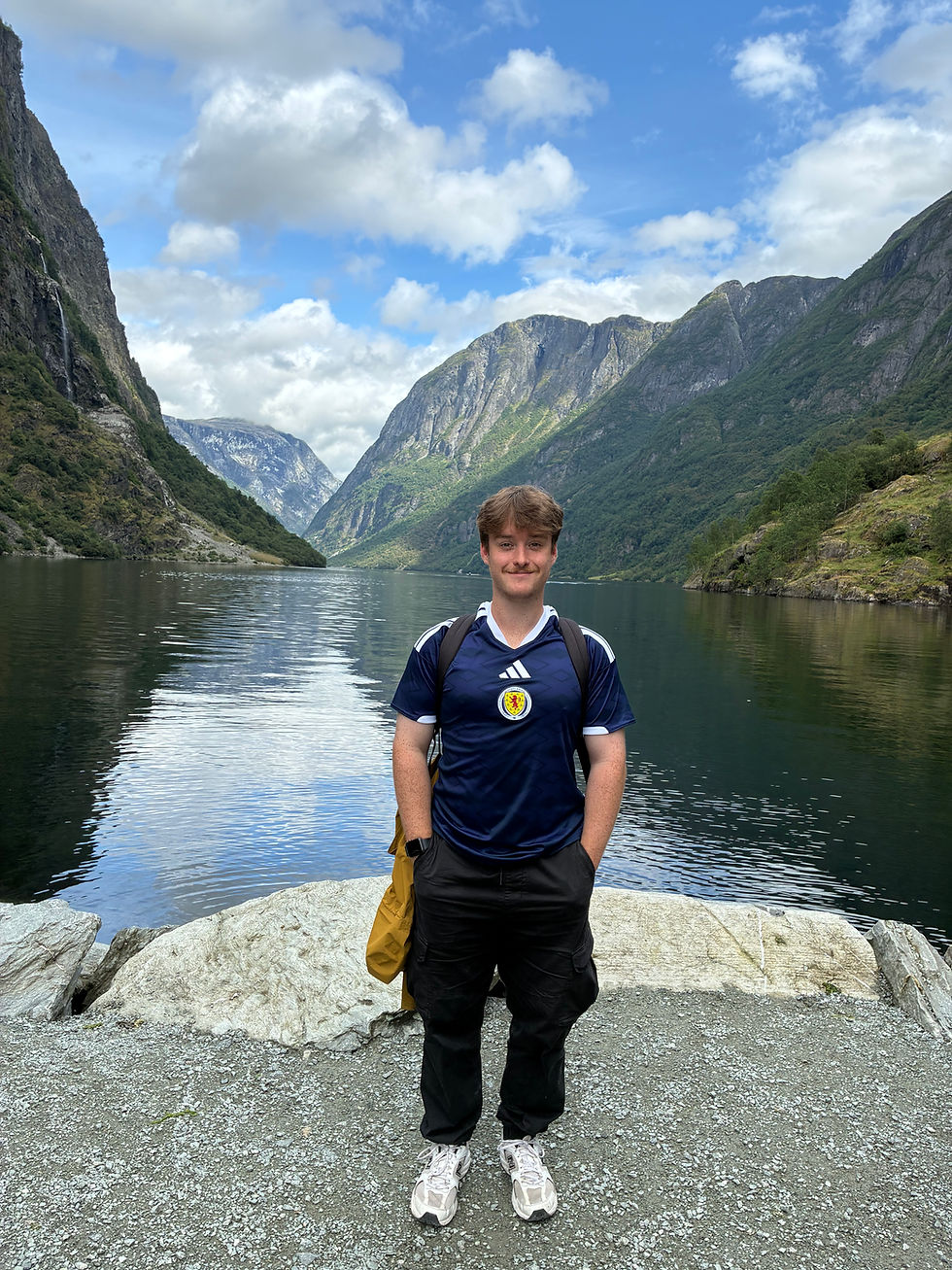
I'm Murray Wheeler, a practising Sport Psychology Coach.
I have experience supporting hundreds of young people to develop confidence, manage anxiety and improve their ability to regulate their emotions. I've worked with athletes aged 7–17 across a range of sports and performance levels, from grassroots participation to athletes making their first-team debuts.
Parents and athletes often get in touch when they feel something beyond sporting ability or technical training may be limiting an athlete's development. This might include a lack of confidence, performance anxiety, difficulties managing emotions or struggling to cope with the pressures of competition.
I aim to make my sessions fun, engaging and relevant to the challenges each young person experiences. It's important to me that athletes leave sessions feeling positive about their sport, with a better understanding of themselves and practical skills they can use to support their performance and wellbeing.
A key part of my approach is helping young people understand how their thoughts and feelings can influence their actions, while developing practical strategies to respond more positively to the challenges they face.
As part of my commitment to developing as a practitioner I am currently working towards professional registration with the HCPC through the Sport and Exercise Science Accreditation Route (SEPAR). I also take part in workshops and online training to achieve this goal, for example, completing a course in safeguarding in sport.
My background and experience
Specialised training in youth sport psychology
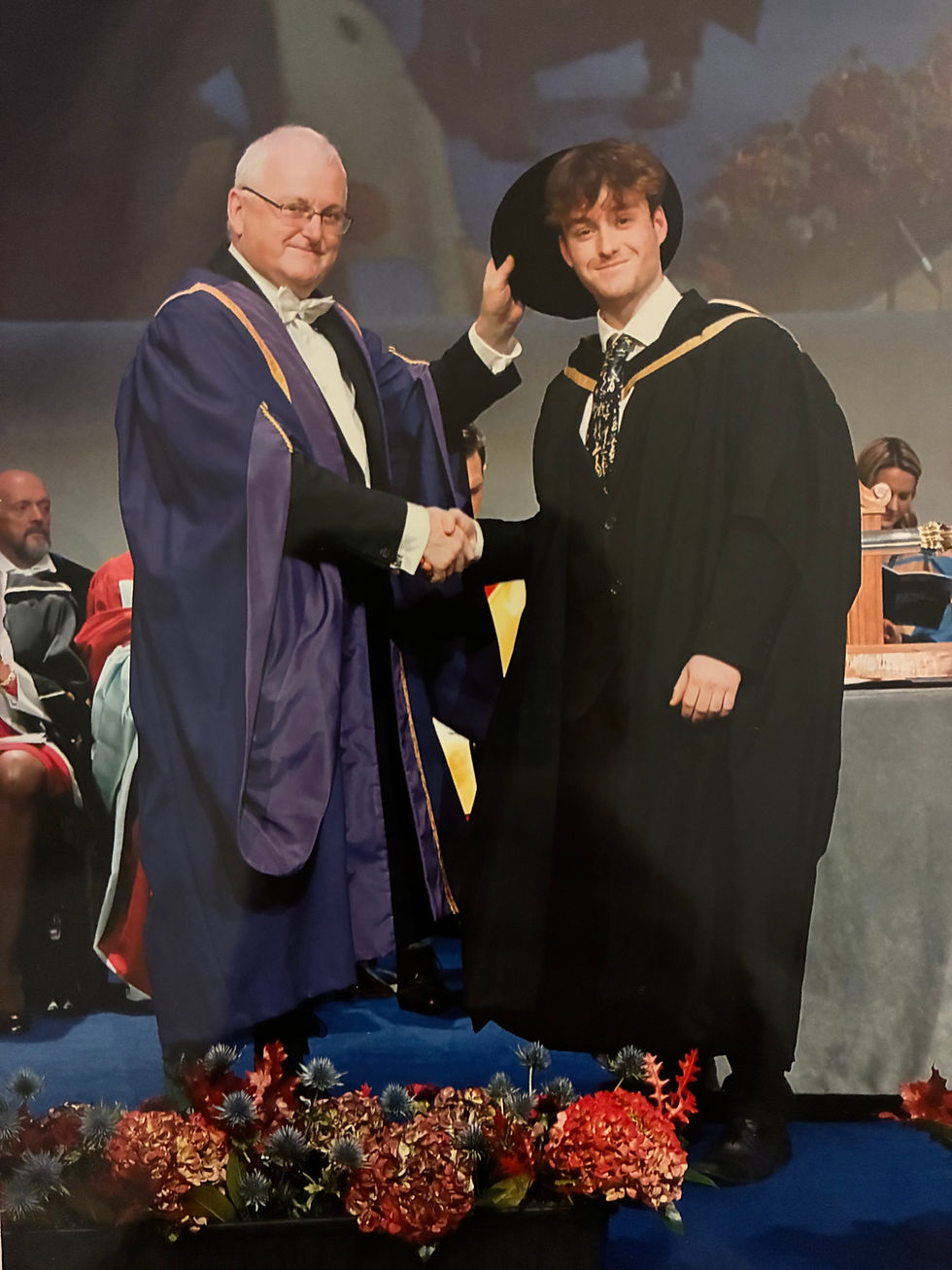
I completed a Master's degree in Sport Psychology at Heriot-Watt University, graduating with distinction. Prior to this, I graduated from the University of Glasgow with a BSc in Psychology.
Following my studies, I chose to work in a local high school within the pupil support department. This gave me valuable experience connecting with young people, building rapport and supporting individuals with their learning. Many of the pupils I worked with had additional learning needs, including ADHD, autism and dyslexia.
This experience has had a significant influence on my work in sport psychology. It reinforced the importance of understanding each individual and adapting the way I communicate and deliver support to meet their needs. I continue to draw on this experience when working with young athletes whose individual learning needs or neurodiversity may influence their sporting experiences.
Something particularly important to me is that the benefits of sport psychology should extend beyond the sporting environment. While supporting young athletes to overcome challenges and achieve their sporting goals, I also want to equip them with psychological skills they can use in other areas of their lives. This might mean managing pressures at school, building confidence in everyday situations or navigating challenges as they grow up.
My Sport

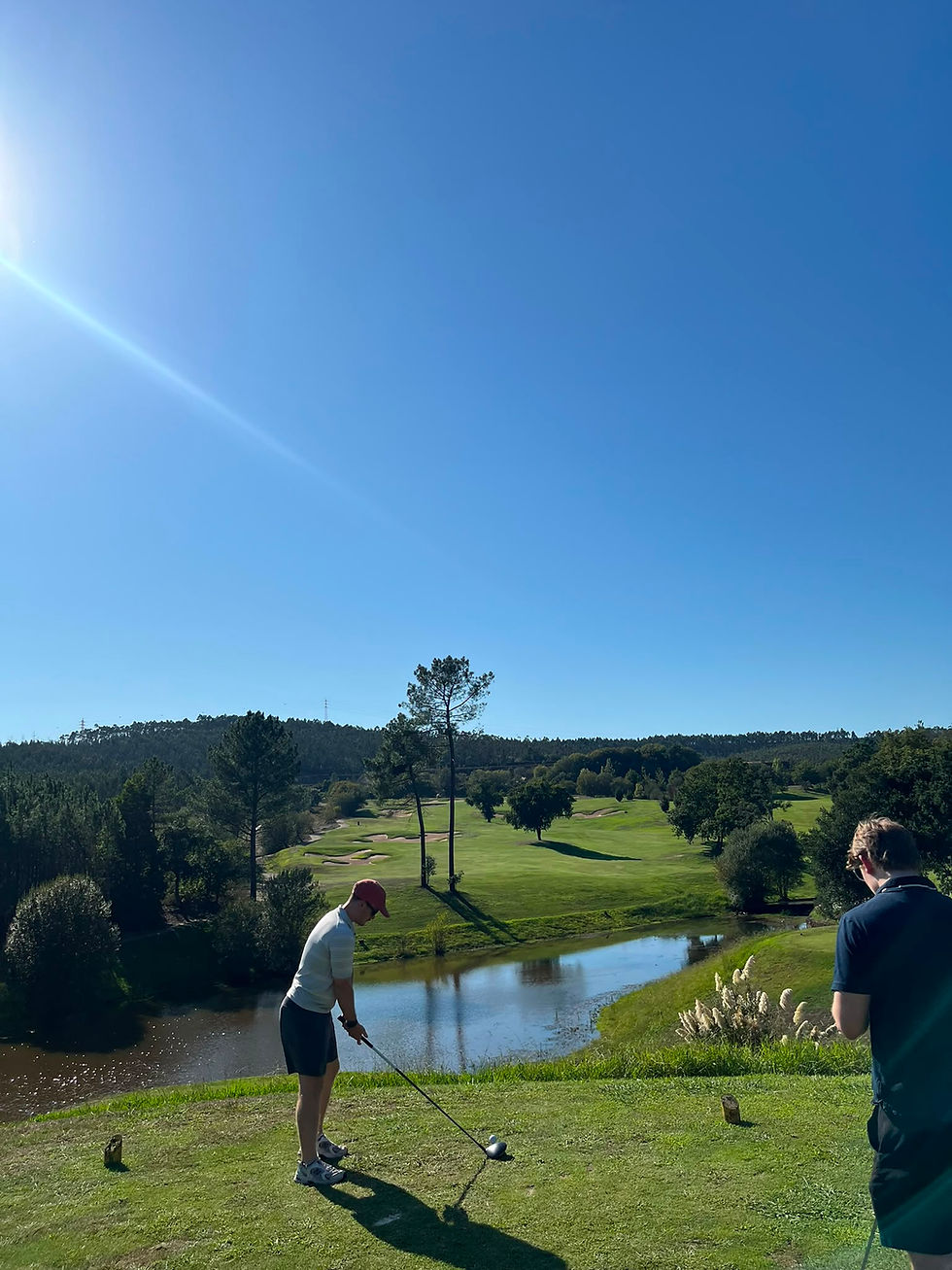
Sport has always been a significant part of my life. I have played football since the age of four, competing at a high level, and more recently developed a passion for golf, which I've been playing for around six years.
I take my own sporting performance seriously and understand the pride, enjoyment and satisfaction that can come from performing well and achieving personal goals. Equally, I understand the frustrations and challenges that come when things don't go as planned. Having gone through two separate ACL reconstructions on my knees and facing a collective 2+ years of rehab, I understand the mental difficulties that comes with setbacks.
These experiences have helped shape my passion for sport psychology. I want to help young athletes experience the enjoyment and satisfaction that sport can bring, while developing the psychological skills to navigate its challenges and get the most out of their time playing.