Sport Psychology for Young Footballers
How can sport psychology help young footballers?
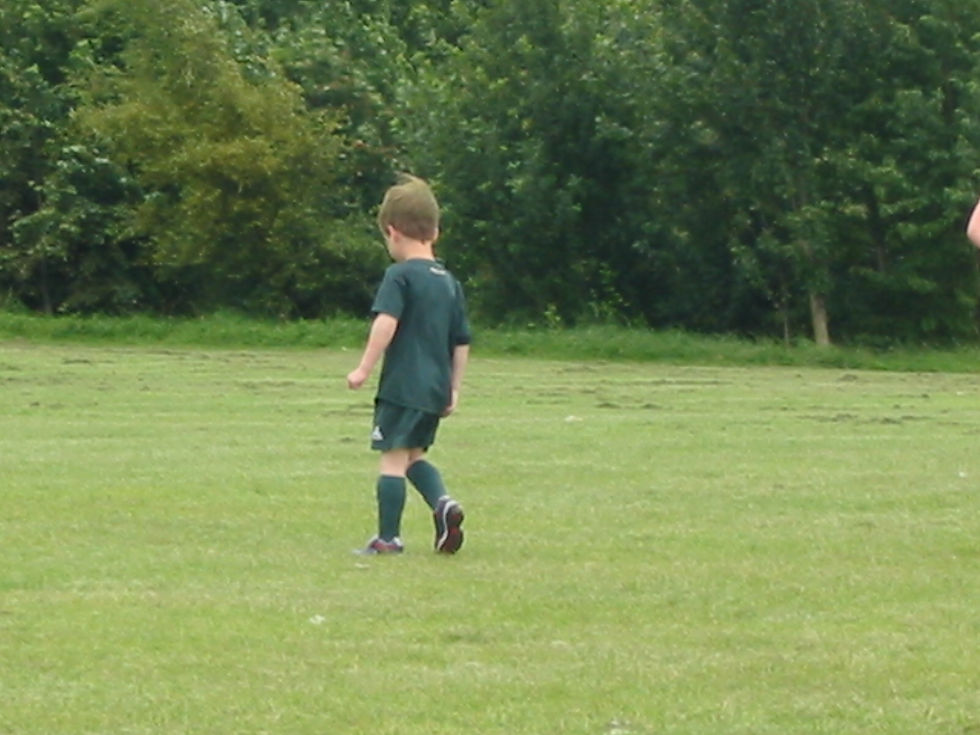
Football can be the highlight of a young person's week. It provides opportunities to have fun, make friends, develop new skills and experience the excitement of competition. However, that doesn't mean it comes without its challenges.
Perhaps your child loves football but becomes overwhelmed with nerves before a game, sometimes becoming upset or withdrawing from others. Maybe they struggle to manage frustration, shouting at teammates or becoming angry about decisions made by referees. Or perhaps the pressure of taking a penalty, making a mistake or playing in an important match feels difficult to manage.
These are just some of the challenges young footballers can experience. They can affect not only how a player performs, but also how much they enjoy their football and how they feel about themselves.
Common challenges I can work with young footballers on
04
Coping with mistakes, setbacks and pressure
Sport Psychology Support
So, how can sport psychology help?
Sport psychology can help young footballers develop the psychological skills and confidence to navigate these challenges. Through individualised support, players can learn to better understand their thoughts and emotions, manage pressure, respond more positively to setbacks and approach challenging situations with greater confidence.
Developing these skills can help young footballers get more out of their performances, enjoy their football and build a healthier, more positive relationship with the game.
In practice:
Responding to mistakes during matches.
Building confidence in one-to-one situations.
Managing emotions when decisions don't go your way.